
Distance learning resources are the tools, platforms, materials, and services that help students, teachers, and lifelong learners study from anywhere.
From free online courses and digital libraries to virtual classrooms and educational apps, these resources make learning more flexible than ever before.
People search for distance learning resources because they want trusted ways to study online, improve their skills, prepare for exams, or support remote education.
Whether you’re a school student, university learner, teacher, or working professional, having the right resources can save time and improve your learning experience.
This guide explains everything you need to know about distance learning resources, including their meaning, history, common types, practical uses, benefits, examples, and how they continue to shape modern education.
You’ll also discover helpful tips, FAQs, and ideas for finding the best online learning materials.
What Are Distance Learning Resources?
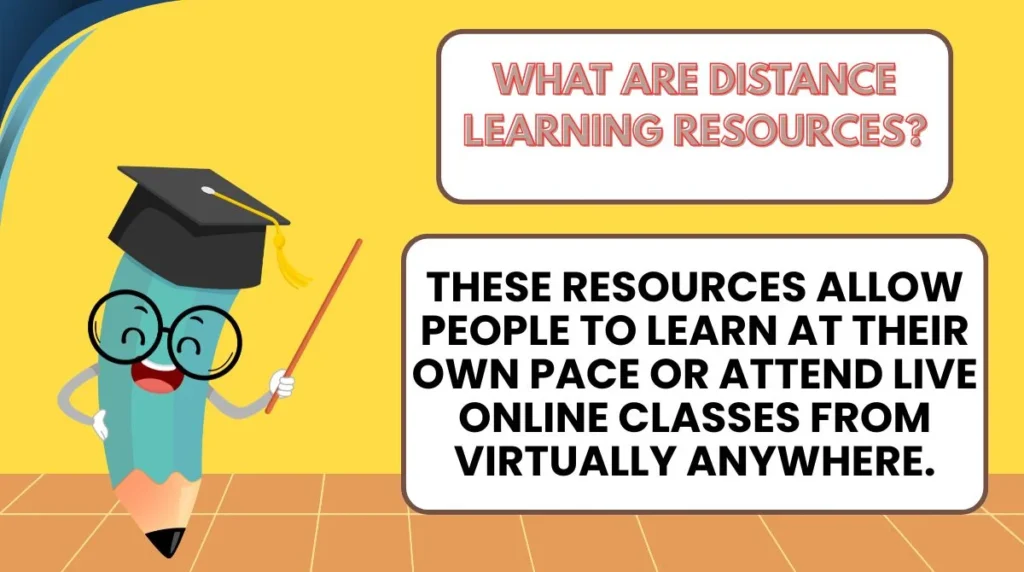
Distance learning resources are any materials, technologies, or services that support education without requiring students and teachers to be in the same physical location. These resources allow people to learn at their own pace or attend live online classes from virtually anywhere.
Today, distance learning resources include much more than digital textbooks. They cover interactive learning platforms, video lectures, quizzes, discussion forums, virtual classrooms, educational apps, podcasts, printable worksheets, and cloud storage for assignments.
People use these resources for many reasons:
- Learning from home
- Preparing for school exams
- Taking university courses online
- Building professional skills
- Learning new hobbies
- Remote employee training
- Homeschool education
Some distance learning resources are completely free, while others require a subscription or one-time payment.
Common Examples
- Learning management systems
- Online course websites
- Educational YouTube channels
- Digital libraries
- Video conferencing tools
- Interactive quizzes
- E-books
- Study planners
The best distance learning resources combine quality content, easy navigation, and engaging learning experiences.
Types of Distance Learning Resources
Distance learning has evolved into a broad ecosystem with many different learning tools. Understanding these categories helps learners choose resources that fit their goals.
Online Learning Platforms
These websites offer structured lessons, assignments, quizzes, and certificates.
Examples include:
- University courses
- Professional certifications
- Language learning platforms
- Coding schools
Video Lessons
Many learners prefer watching recorded lectures because they can pause, rewind, and revisit difficult topics.
Examples include:
- Educational tutorials
- Science demonstrations
- Mathematics lessons
- History documentaries
Digital Books and Libraries
E-books provide instant access to textbooks and research materials without visiting a physical library.
Interactive Learning Apps
Apps help learners practise through:
- Flashcards
- Daily quizzes
- Games
- Progress tracking
Virtual Classrooms
Teachers and students connect using:
- Live video
- Screen sharing
- Online whiteboards
- Group discussions
Practice Resources
These include:
- Mock exams
- Worksheets
- Question banks
- Sample papers
Choosing a mix of these resources often creates the most effective learning experience.
History and Evolution of Distance Learning Resources
Distance learning is much older than many people realise. Long before the internet existed, people studied from home using correspondence courses delivered by post.
Early Distance Education
In the late nineteenth century, universities mailed printed lessons to students. Learners completed assignments and returned them for grading.
Radio and Television
During the twentieth century, educational broadcasts became popular. Schools and universities used radio programmes and television lessons to reach wider audiences.
The Internet Era
The arrival of the internet transformed distance education completely. Students gained instant access to:
- Digital libraries
- Online lectures
- Interactive assignments
- Email communication
- Discussion boards
Modern Online Learning
Today’s distance learning resources use advanced technology such as:
- Artificial intelligence
- Adaptive learning
- Virtual reality
- Cloud computing
- Mobile applications
The COVID-19 pandemic accelerated global adoption of remote learning, making online education a normal part of everyday life for millions of learners.
Distance learning continues evolving as technology becomes more accessible and engaging.
Benefits of Using Distance Learning Resources
Distance learning resources offer advantages for learners of every age and background.
Flexible Schedule
Students can often study whenever it suits them, making it easier to balance education with work or family commitments.
Lower Costs
Many excellent learning resources are free or cost far less than traditional classroom programmes.
Learn Anywhere
With an internet connection, students can access lessons from home, libraries, cafés, or while travelling.
Wide Course Selection
Learners can study almost any subject, including:
- Programming
- Business
- Languages
- Photography
- Marketing
- Science
- Music
Self-Paced Learning
Everyone learns differently. Distance learning allows students to spend extra time on challenging topics.
Improved Digital Skills
Using online platforms also develops valuable technical skills needed in modern workplaces.
Quick Benefits
- Flexible learning
- Easy access
- Lower expenses
- Global instructors
- Instant updates
- Interactive lessons
- Mobile learning
- Lifetime access (on many platforms)
Best Distance Learning Resources for Students
Finding reliable learning materials can greatly improve academic success.
Popular categories include:
Online Courses
Ideal for structured learning with quizzes and certificates.
Educational Videos
Visual explanations help simplify difficult concepts.
Digital Libraries
Useful for:
- Research
- Assignments
- Academic papers
- Reference books
Study Apps
Helpful features include:
- Revision reminders
- Flashcards
- Timers
- Goal tracking
Practice Tests
These help learners:
- Build confidence
- Identify weak areas
- Prepare for exams
- Track improvement
Discussion Communities
Online forums allow students to ask questions and receive support from other learners.
Tips for Choosing Resources
- Check reviews
- Verify credibility
- Look for updated content
- Compare learning styles
- Choose interactive materials
- Track your progress regularly
Challenges of Distance Learning and How to Overcome Them
Although distance learning offers flexibility, learners may face several challenges.
Staying Motivated
Without classroom routines, some students struggle with consistency.
Solution:
- Create a study timetable
- Set weekly goals
- Reward progress
Internet Problems
Slow internet can interrupt lessons.
Solution:
- Download materials in advance
- Use offline resources when possible
Distractions at Home
Noise and interruptions reduce concentration.
Solution:
- Create a dedicated study space
- Turn off unnecessary notifications
Limited Social Interaction
Online learners sometimes feel isolated.
Solution:
- Join study groups
- Participate in discussion forums
- Attend live sessions
Time Management
Balancing work, study, and family responsibilities requires planning.
Helpful habits include:
- Using calendars
- Breaking tasks into smaller goals
- Reviewing progress weekly
Overcoming these challenges makes distance learning far more enjoyable and productive.
Tips for Getting the Most from Distance Learning Resources
Success depends not only on good resources but also on effective study habits.
Build a Routine
Study at the same time each day to create consistency.
Set Clear Goals
Know exactly what you want to achieve each week.
Take Notes
Writing summaries improves memory and understanding.
Practise Regularly
Learning becomes stronger through repetition and exercises.
Ask Questions
Don’t hesitate to seek help in online communities or discussion boards.
Stay Organised
Keep digital folders organised for:
- Notes
- Assignments
- Reading materials
- Certificates
Productivity Tips
- Study in short sessions
- Take regular breaks
- Remove distractions
- Review lessons weekly
- Track achievements
Small improvements every day lead to long-term success.
Internal Linking Suggestions
To improve your website’s SEO, consider linking this article to related educational guides, such as:
- Best Online Learning Platforms
- Free Study Resources for Students
- Virtual Classroom Tools Explained
- Online Certification Courses Guide
- Digital Learning vs Traditional Learning
- Best Educational Apps for Students
- Remote Learning Tips for Beginners
Frequently Asked Questions
What are distance learning resources?
Distance learning resources are digital or physical tools that help people study remotely. They include online courses, videos, e-books, quizzes, virtual classrooms, and educational apps.
Are distance learning resources free?
Many are free, while others offer paid courses, certificates, or premium learning materials.
Who can use distance learning resources?
Anyone can use them, including school students, university learners, teachers, professionals, and lifelong learners.
What is the biggest benefit of distance learning resources?
Flexibility is the biggest advantage because learners can study from almost anywhere and often at their own pace.
Do employers recognise online learning?
Many employers value recognised online courses, especially those offered by respected universities or professional organisations.
What equipment is needed for distance learning?
Most learners need:
- A computer, tablet, or smartphone
- Internet connection
- Headphones
- Notebook for taking notes
How do I choose the best distance learning resources?
Look for trusted providers, updated content, positive reviews, interactive lessons, and materials that match your learning goals.
Conclusion
Distance learning resources have transformed education by making knowledge available to anyone with an internet connection.
Whether you’re studying for school, learning a new professional skill, or exploring a personal interest, the right combination of online courses, digital libraries, educational videos, and interactive tools can make learning easier and more enjoyable.
The key is choosing reliable resources that match your goals and learning style. Build a regular study routine, stay organised, and make use of practice materials to reinforce what you learn.
As technology continues to improve, distance learning resources will become even more engaging and accessible, opening new opportunities for learners around the world.
With the right approach, you can achieve your educational goals from virtually anywhere.

William Scott brings laughter to life with clever puns and witty humor.
Dive into his world of fun, jokes, and instantly shareable smiles.